

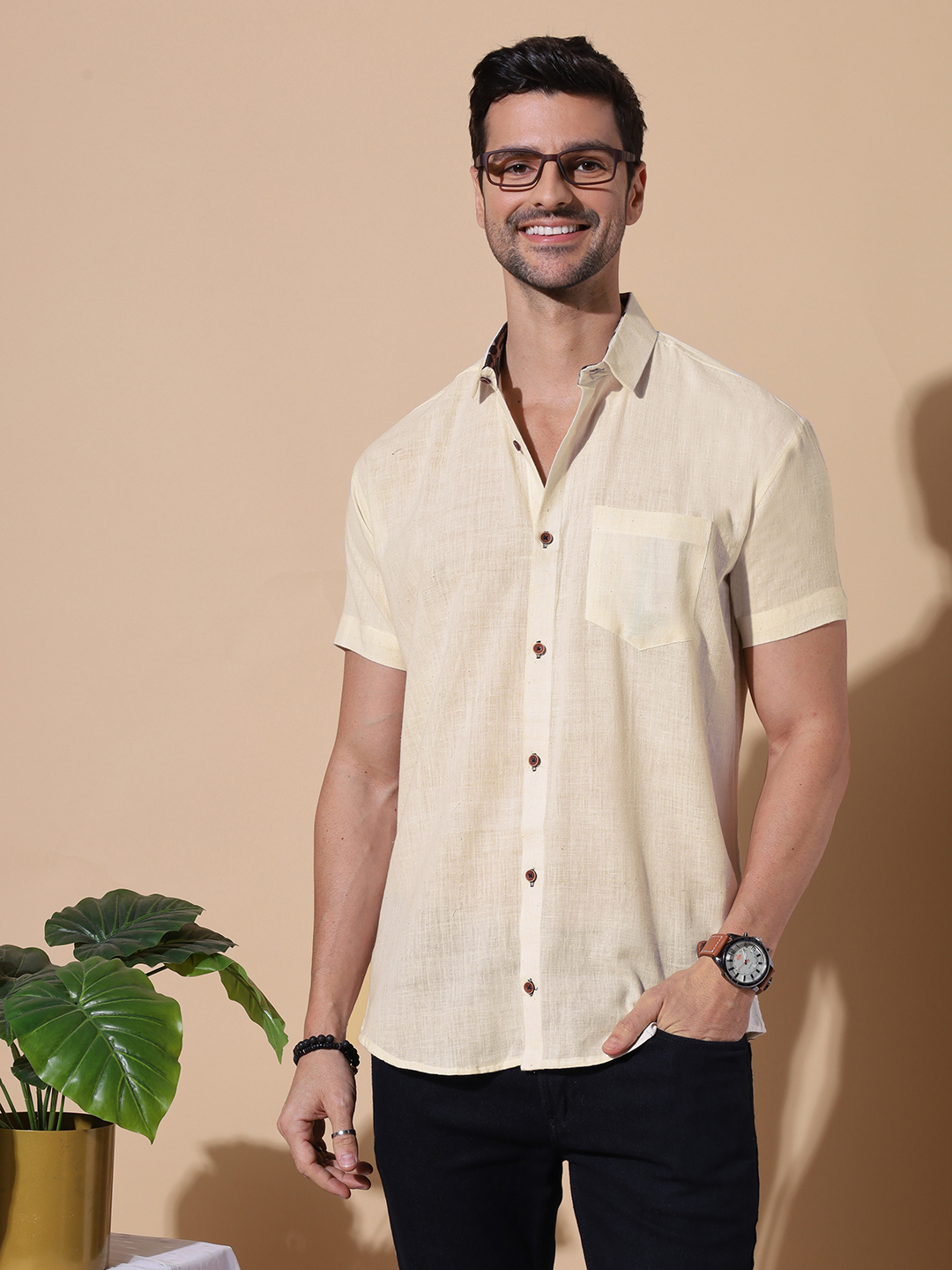
Authentic Khadi Cotton
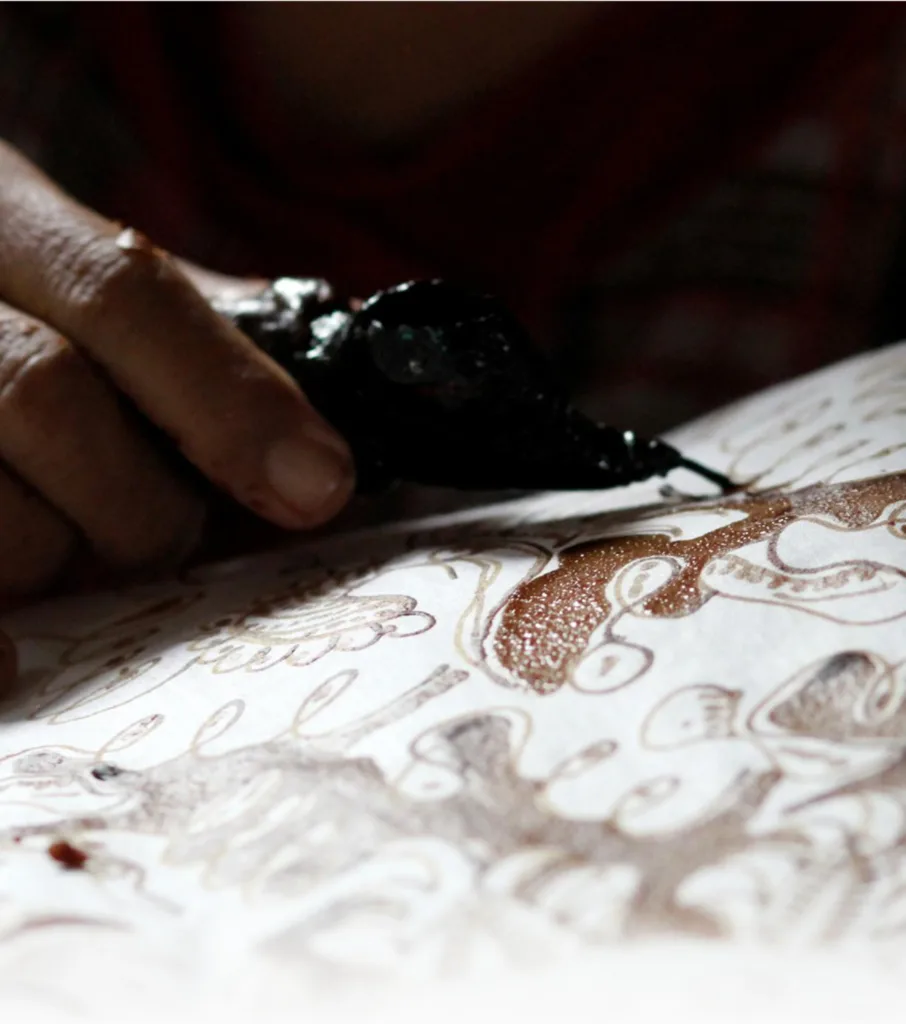
Crafted from Authentic Khadi Pure Cotton, this half-sleeve shirt is handwoven by skilled Indian artisans using traditional techniques. Lightweight, breathable, and exceptionally comfortable, it offers a timeless blend of heritage and modern style. Perfect for casual outings, office wear, travel, and effortless everyday dressing with premium handcrafted appeal. Wash Care: Hand / Machine Wash Separately In Cold Water With Mild/Liquid Detergents 2. Donot Bleach 3. Dry In Shade
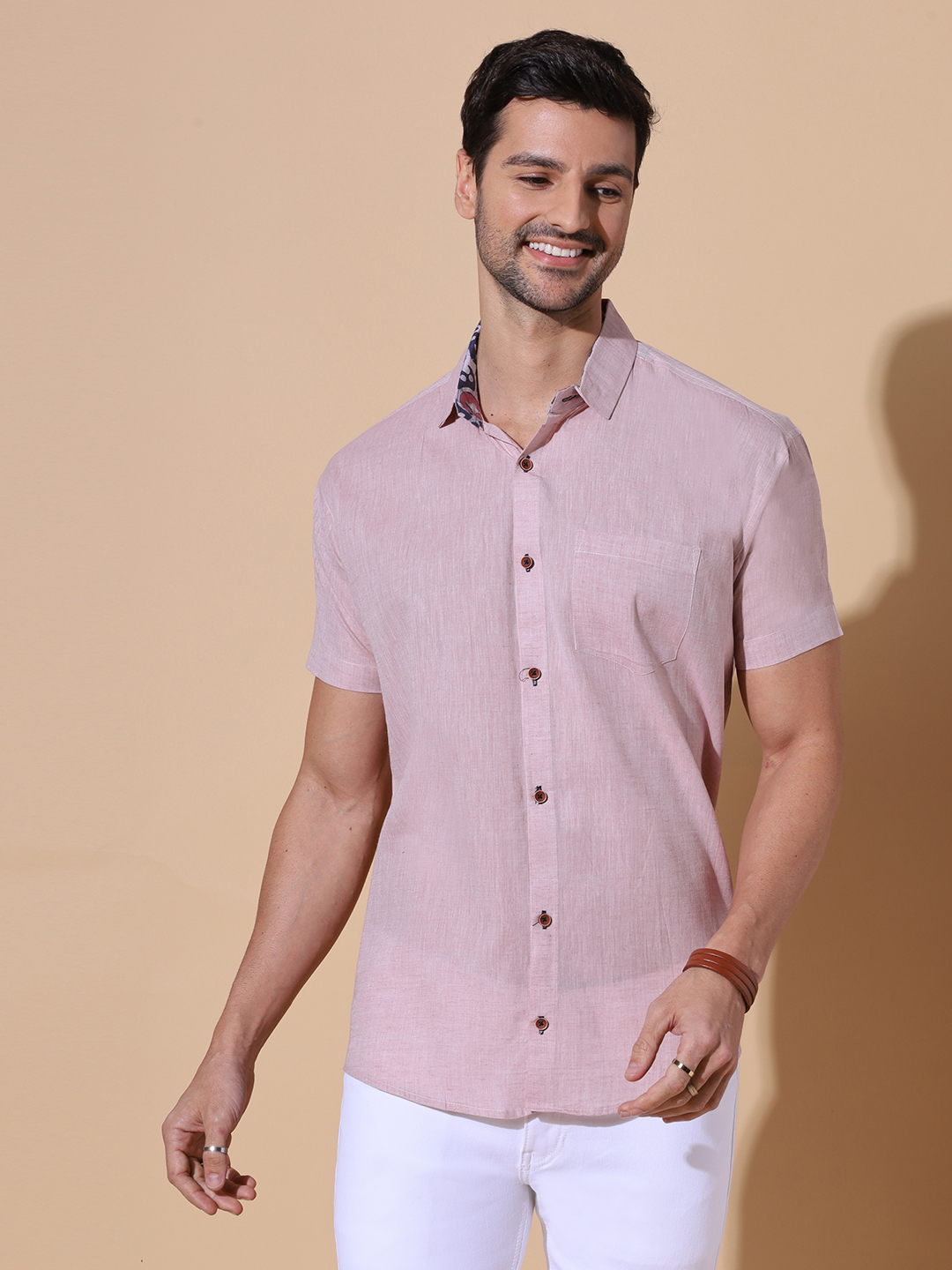
Authentic Khadi Cotton
Crafted from Authentic Khadi Pure Cotton, this half-sleeve shirt is handwoven by skilled Indian artisans using traditional techniques. Lightweight, breathable, and exceptionally comfortable, it offers a timeless blend of heritage and modern style. Perfect for casual outings, office wear, travel, and effortless everyday dressing with premium handcrafted appeal. Wash Care: Hand / Machine Wash Separately In Cold Water With Mild/Liquid Detergents 2. Donot Bleach 3. Dry In Shade
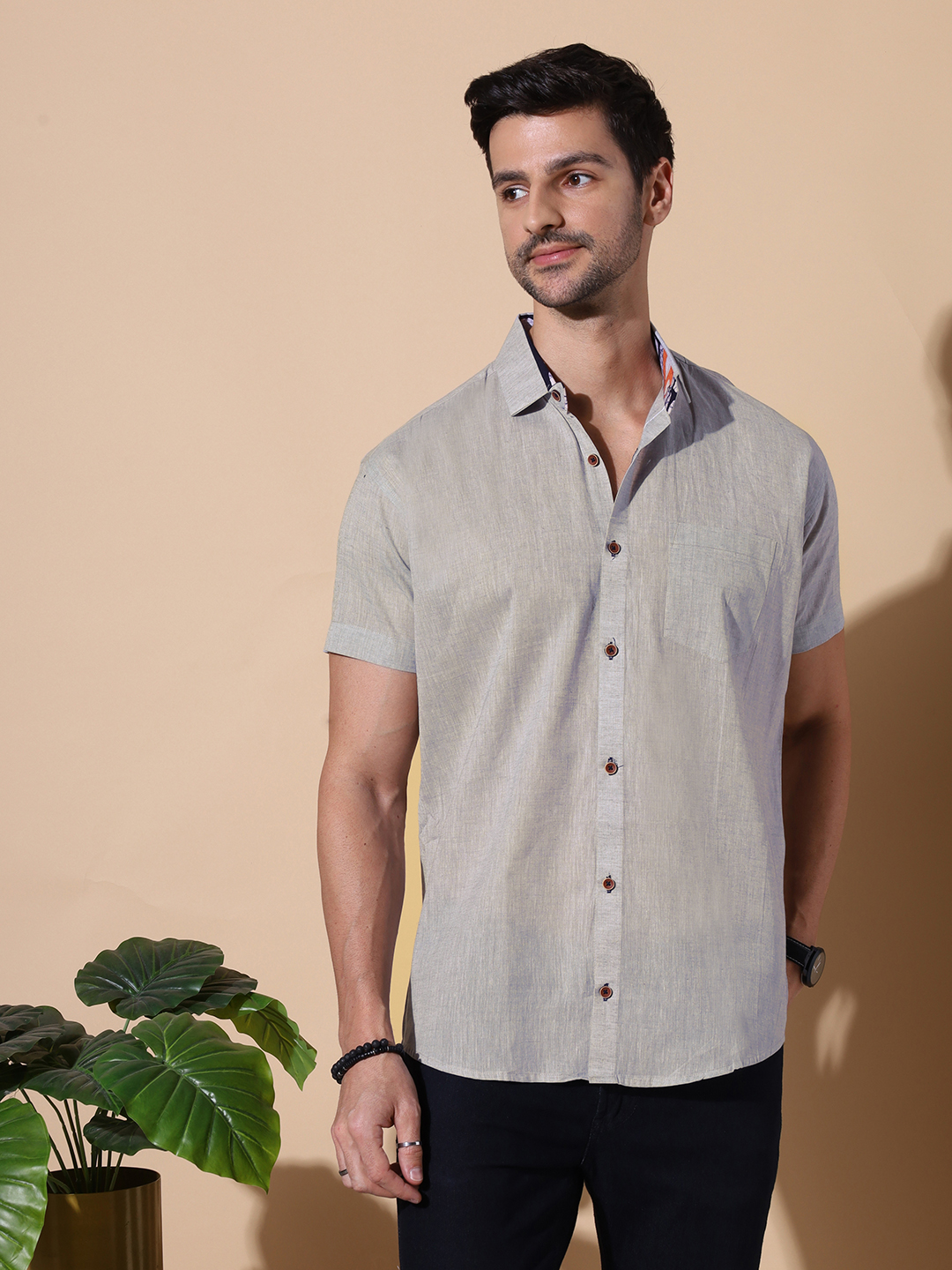
Authentic Khadi Cotton
Crafted from Authentic Khadi Pure Cotton, this half-sleeve shirt is handwoven by skilled Indian artisans using traditional techniques. Lightweight, breathable, and exceptionally comfortable, it offers a timeless blend of heritage and modern style. Perfect for casual outings, office wear, travel, and effortless everyday dressing with premium handcrafted appeal. Wash Care: Hand / Machine Wash Separately In Cold Water With Mild/Liquid Detergents 2. Donot Bleach 3. Dry In Shade
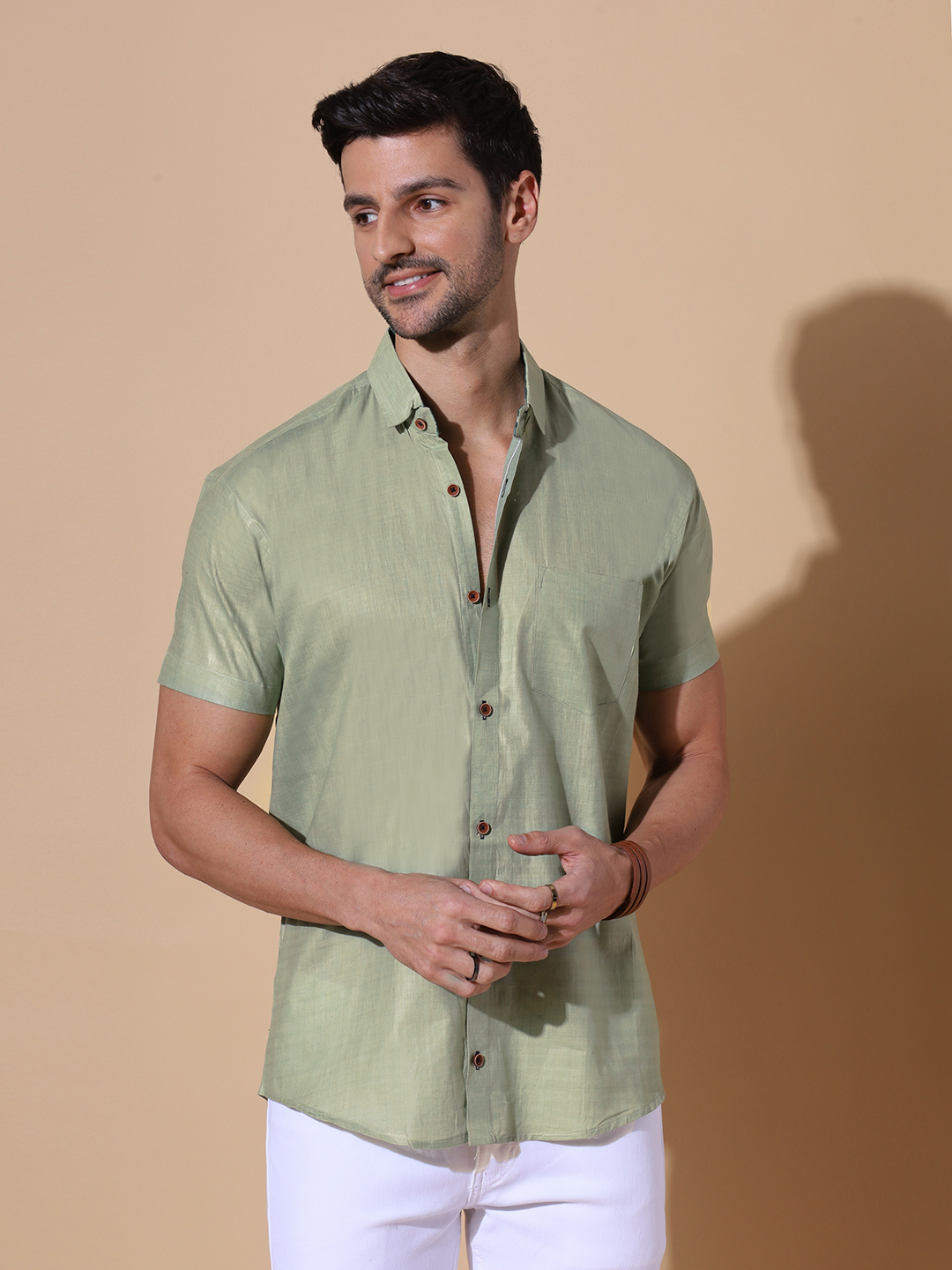
Authentic Khadi Cotton
Crafted from Authentic Khadi Pure Cotton, this half-sleeve shirt is handwoven by skilled Indian artisans using traditional techniques. Lightweight, breathable, and exceptionally comfortable, it offers a timeless blend of heritage and modern style. Perfect for casual outings, office wear, travel, and effortless everyday dressing with premium handcrafted appeal. Wash Care: Hand / Machine Wash Separately In Cold Water With Mild/Liquid Detergents 2. Donot Bleach 3. Dry In Shade

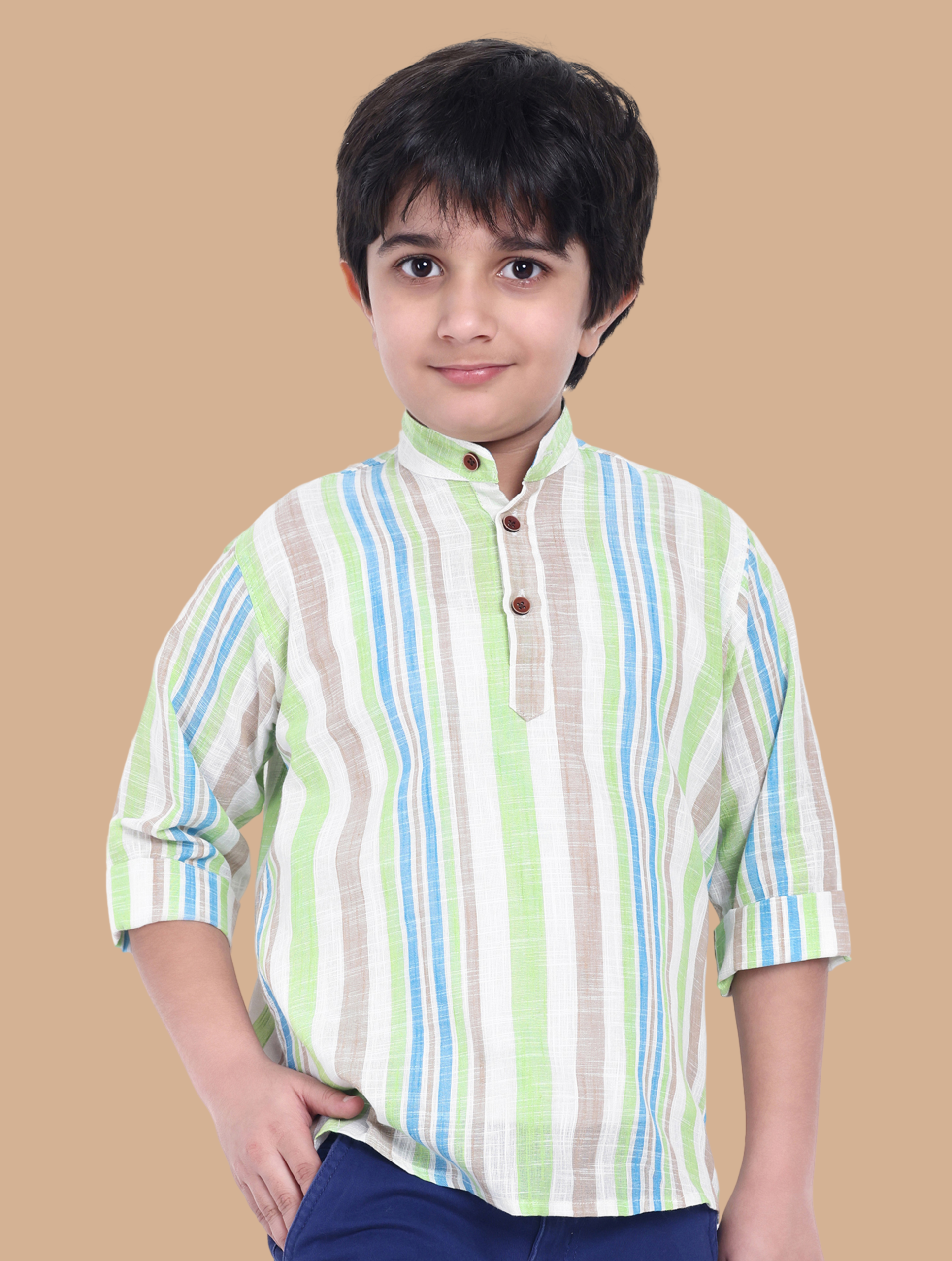
Moshi Boys Handloom
MOSHI Handloom Kurta, a harmonious blend of traditional craftsmanship and contemporary style. Authentic Handloom Fabric: Meticulously woven by skilled artisans on wooden looms, ensuring each kurta is a unique masterpiece. Vibrant Color Palette: Available in a spectrum of rich, lively colors that add a touch of elegance to any wardrobe. Wash Care: Hand / Machine Wash Separately In Cold Water With Mild/Liquid Detergents 2. Donot Bleach 3. Dry In Shade
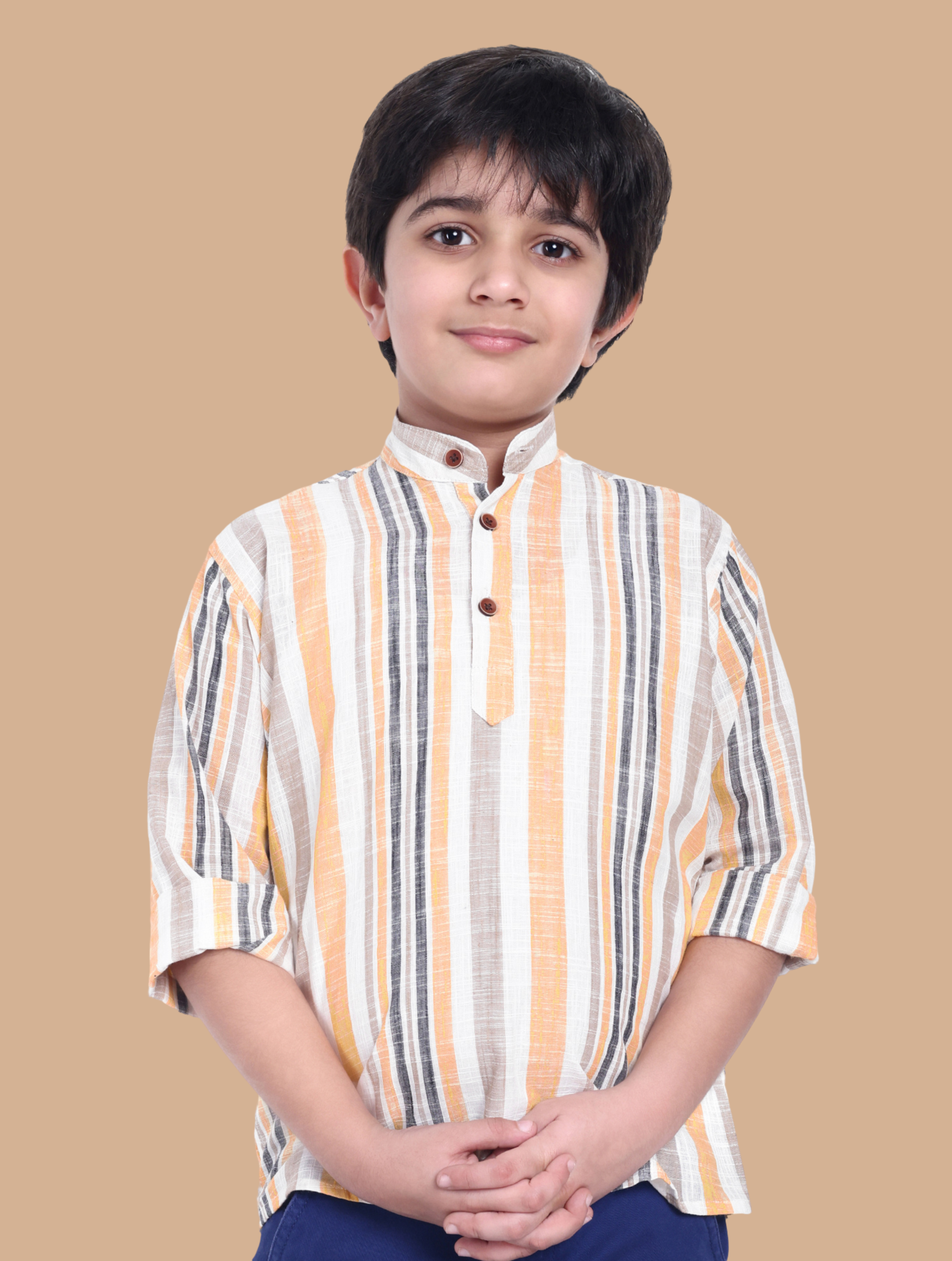
Moshi Boys Handloom
MOSHI Handloom Kurta, a harmonious blend of traditional craftsmanship and contemporary style. Authentic Handloom Fabric: Meticulously woven by skilled artisans on wooden looms, ensuring each kurta is a unique masterpiece. Vibrant Color Palette: Available in a spectrum of rich, lively colors that add a touch of elegance to any wardrobe. Wash Care: Hand / Machine Wash Separately In Cold Water With Mild/Liquid Detergents 2. Donot Bleach 3. Dry In Shade
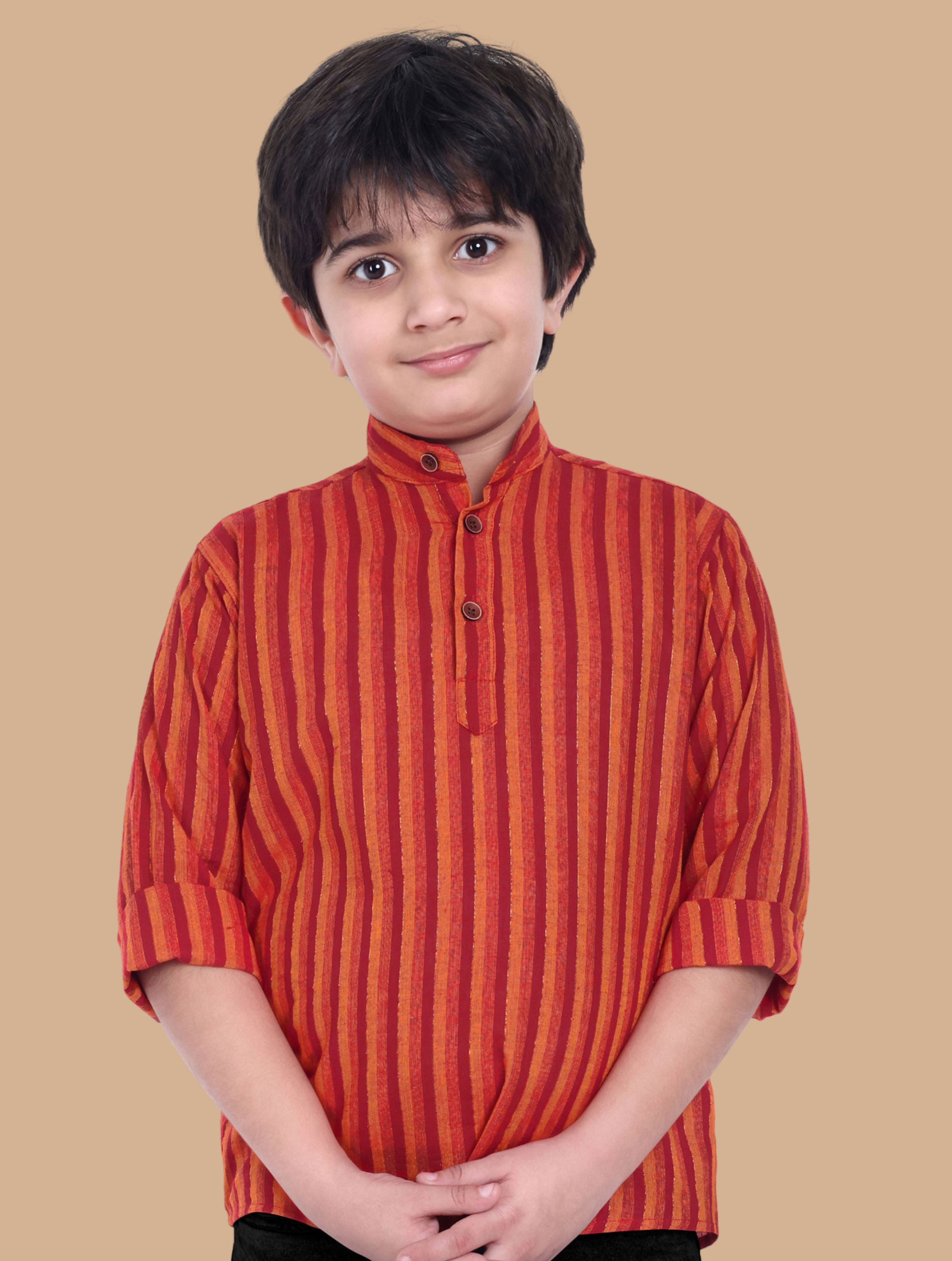
Moshi Boys Handloom
MOSHI Handloom Kurta, a harmonious blend of traditional craftsmanship and contemporary style. Authentic Handloom Fabric: Meticulously woven by skilled artisans on wooden looms, ensuring each kurta is a unique masterpiece. Vibrant Color Palette: Available in a spectrum of rich, lively colors that add a touch of elegance to any wardrobe. Wash Care: Hand / Machine Wash Separately In Cold Water With Mild/Liquid Detergents 2. Donot Bleach 3. Dry In Shade
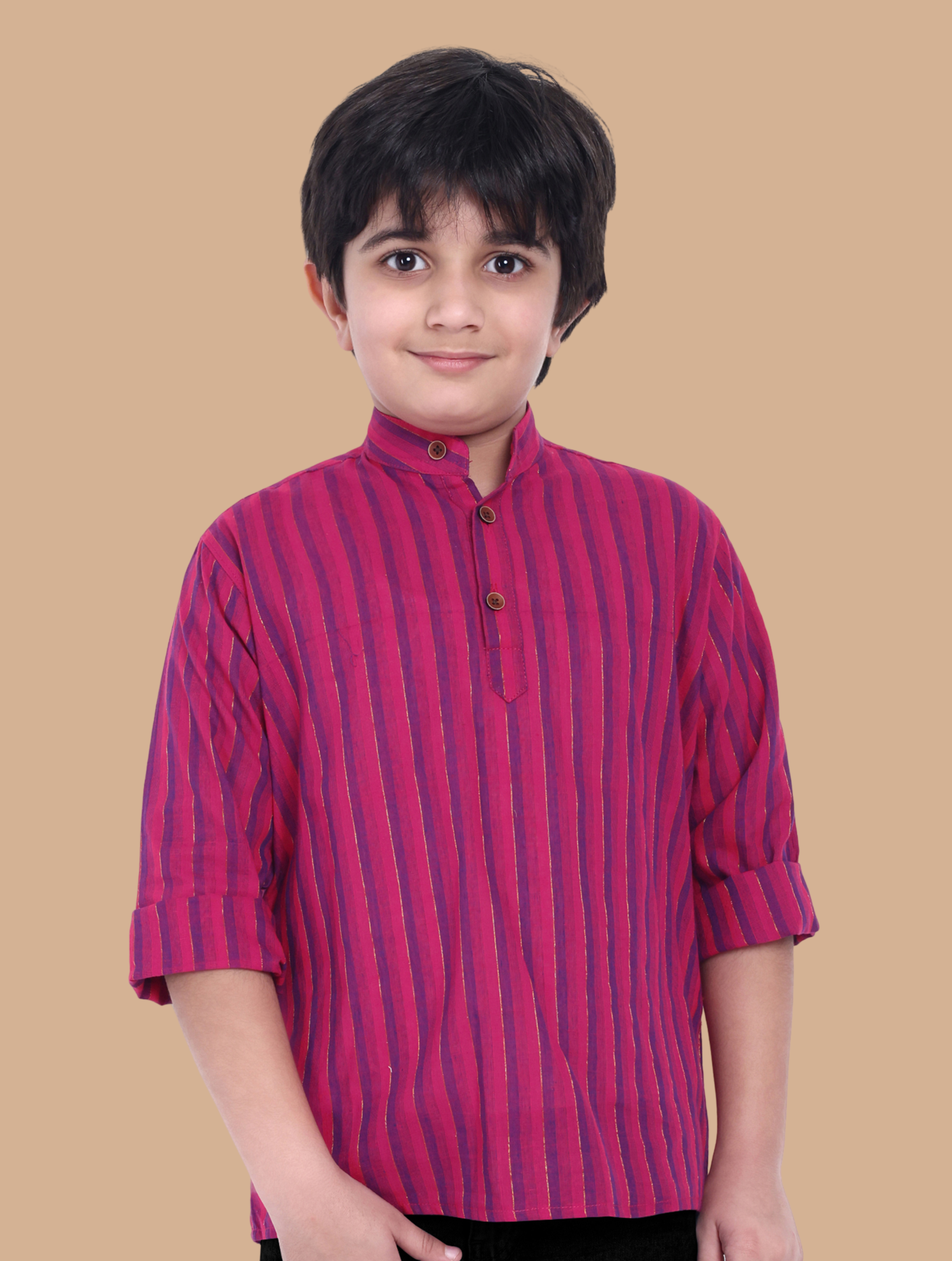
Moshi Boys Handloom
MOSHI Handloom Kurta, a harmonious blend of traditional craftsmanship and contemporary style. Authentic Handloom Fabric: Meticulously woven by skilled artisans on wooden looms, ensuring each kurta is a unique masterpiece. Vibrant Color Palette: Available in a spectrum of rich, lively colors that add a touch of elegance to any wardrobe. Wash Care: Hand / Machine Wash Separately In Cold Water With Mild/Liquid Detergents 2. Donot Bleach 3. Dry In Shade